Family Dog Breed Guide
Explore 52 dog breeds through sourced living references. Filter by size, energy and shedding, then compare activity, grooming and size or coat varieties.
Data last maintained

Family Dog Breed Guide
Explore 52 dog breeds through sourced living references. Filter by size, energy and shedding, then compare activity, grooming and size or coat varieties.
Data last maintained
Breed Pick Guide
Lays out 52 dog breeds by size, energy and shedding, and daily exercise and grooming; every level is the one the source gives.
- Small
- Small-medium
- Medium
- Medium-large
- Large
- Extra-large
Size, exercise and grooming are The Royal Kennel Club’s categories; energy and shedding are converted from American Kennel Club scores. They describe the breed in general, not any individual dog. “View details” on each card lists the source of every item.
Meet the dogs · 1/4
What this table shows
It gathers how big 52 dog breeds get, how long they exercise each day, how often they are groomed and how much they shed, with the source and check date for every item.
Size, exercise and grooming come from The Royal Kennel Club, and energy and shedding scores from the American Kennel Club; “View details” on a card shows the source and check date of every item.
This is what a breed is generally like. Dogs of the same breed still differ; age, health and temperament can make a dog differ from the table.
The table does not decide which dog is right for you; it lays out the facts that can be checked so you can compare. The next three pages cover size, energy and shedding, and daily exercise and grooming.
These are broad breed classifications from the source, not guarantees for an individual dog or a fixed exercise prescription. Confirm separately according to age and individual circumstances.
52 breeds
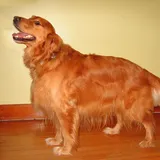
Golden Retriever
Native to Scotland, it was originally used to retrieve shot waterfowl for hunters; the Royal Kennel Club places it in the Gundog group. The American Kennel Club describes its temperament as “intelligent / friendly / devoted”.
- Size
- Large
- Energy
- Moderate
- Shedding
- High
Daily needs
- Exercise
- More than 2 hours per day
- Grooming
- More than once a week
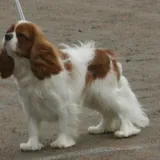
Cavalier King Charles Spaniel
It was originally a lap companion for noblewomen; the Royal Kennel Club places it in the Toy group. The American Kennel Club describes its temperament as “affectionate / gentle / graceful”.
- Size
- Small
- Energy
- Moderate
- Shedding
- Low
Daily needs
- Exercise
- Up to 1 hour per day
- Grooming
- More than once a week
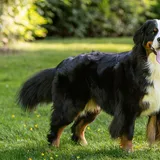
Bernese Mountain Dog
Native to the canton of Bern in Switzerland, it was originally a farm dog that drove livestock, pulled carts and watched the farmyard; the Royal Kennel Club places it in the Working group. The American Kennel Club describes its temperament as “good-natured / calm / strong”.
- Size
- Large
- Energy
- High
- Shedding
- High
Daily needs
- Exercise
- Up to 1 hour per day
- Grooming
- More than once a week
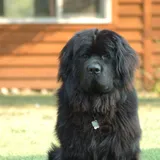
Newfoundland
Native to northeastern Canada, it originally worked on fishing boats and specialised in water rescue; the Royal Kennel Club places it in the Working group. The American Kennel Club describes its temperament as “devoted / sweet / patient”.
- Size
- Large
- Energy
- Moderate
- Shedding
- Moderate
Daily needs
- Exercise
- Up to 1 hour per day
- Grooming
- Every day
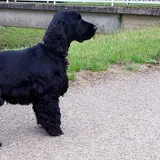
English Cocker Spaniel
It was originally used to hunt woodcock; the Royal Kennel Club places it in the Gundog group. The American Kennel Club describes its temperament as “energetic / merry / responsive”.
- Size
- Small
- Energy
- Moderate
- Shedding
- Moderate
Daily needs
- Exercise
- Up to 1 hour per day
- Grooming
- Every day
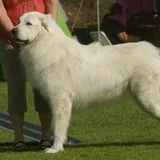
Great Pyrenees
Native to the Pyrenees on the border of France and Spain, it originally guarded flocks of sheep against wolves and other predators; the Royal Kennel Club places it in the Pastoral group. The American Kennel Club describes its temperament as “smart / patient / calm”.
- Size
- Large
- Energy
- Moderate
- Shedding
- Moderate
Daily needs
- Exercise
- Up to 1 hour per day
- Grooming
- More than once a week
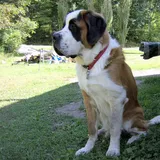
Saint Bernard
Native to the Swiss Alps, it originally guarded a mountain hospice and searched for travellers lost in the snow; the Royal Kennel Club places it in the Working group. The American Kennel Club describes its temperament as “playful / charming / inquisitive”.
- Size
- Extra-large
- Energy
- Moderate
- Shedding
- Moderate
Daily needs
- Exercise
- Up to 1 hour per day
- Grooming
- More than once a week
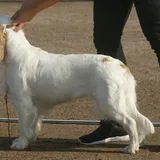
Clumber Spaniel
Developed in Nottinghamshire, England, it was originally used to flush game birds out of dense cover; the Royal Kennel Club places it in the Gundog group. The American Kennel Club describes its temperament as “mellow / amusing / gentlemanly”.
- Size
- Large
- Energy
- Moderate
- Shedding
- Moderate
Daily needs
- Exercise
- Up to 1 hour per day
- Grooming
- More than once a week
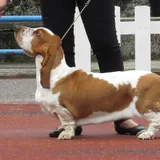
Basset Hound
From France and Belgium, it was originally a scent hound that followed small game on foot; the Royal Kennel Club places it in the Hound group. The American Kennel Club describes its temperament as “patient / low-key / charming”.
- Size
- Medium-large
- Energy
- Low
- Shedding
- Low
Daily needs
- Exercise
- Up to 1 hour per day
- Grooming
- Once a week
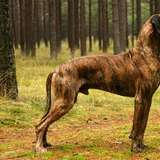
Great Dane
Native to Germany, it was originally used to hunt wild boar; the Royal Kennel Club places it in the Working group. The American Kennel Club describes its temperament as “friendly / patient / dependable”.
- Size
- Extra-large
- Energy
- High
- Shedding
- Moderate
Daily needs
- Exercise
- More than 2 hours per day
- Grooming
- Once a week
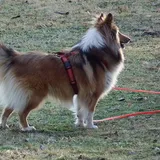
Shetland Sheepdog
Native to the Shetland Islands of Scotland, it originally herded sheep, ponies and poultry for farmers; the Royal Kennel Club places it in the Pastoral group. The American Kennel Club describes its temperament as “playful / energetic / bright”.
- Size
- Small
- Energy
- High
- Shedding
- Moderate
Daily needs
- Exercise
- Up to 1 hour per day
- Grooming
- Every day
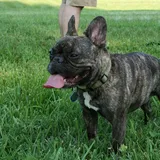
French Bulldog
From northern France and descended from English toy bulldogs, it was bred mainly as a pet and companion; the Royal Kennel Club places it in the Utility group. The American Kennel Club describes its temperament as “playful / smart / adaptable”.
- Size
- Small
- Energy
- Moderate
- Shedding
- Moderate
Daily needs
- Exercise
- Up to 1 hour per day
- Grooming
- Once a week
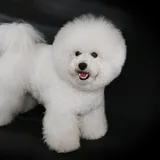
Bichon Frise
From the Mediterranean region, it was once a pampered companion in royal courts and noble households; the Royal Kennel Club places it in the Toy group. The American Kennel Club describes its temperament as “curious / playful / peppy”.
- Size
- Small
- Energy
- High
- Shedding
- Minimal shedding, not zero
Daily needs
- Exercise
- Up to 30 minutes per day
- Grooming
- Every day
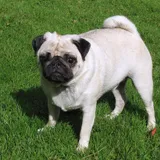
Pug
From China, reaching Europe by way of the Netherlands, it has always been purely a companion; the Royal Kennel Club places it in the Toy group. The American Kennel Club describes its temperament as “charming / loving / mischievous”.
- Size
- Small
- Energy
- Moderate
- Shedding
- High
Daily needs
- Exercise
- Up to 1 hour per day
- Grooming
- Once a week
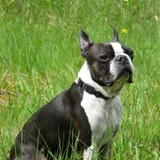
Boston Terrier
It comes from Boston in the United States; the Royal Kennel Club places it in the Utility group. The American Kennel Club describes its temperament as “friendly / bright / amusing”.
- Size
- Small
- Energy
- High
- Shedding
- Low
Daily needs
- Exercise
- Up to 1 hour per day
- Grooming
- Once a week

Toy Poodle
The poodle family comes from Germany, where it originally retrieved game from water for duck hunters; the Royal Kennel Club places it in the Utility group. The American Kennel Club describes its temperament as “intelligent / agile / self-confident”.
- Size
- Small
- Energy
- High
- Shedding
- Minimal shedding, not zero
Daily needs
- Exercise
- Up to 1 hour per day
- Grooming
- Every day
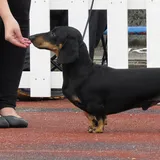
Miniature Dachshund
The dachshund family comes from Germany and is used to track wounded game and go to ground after badger or rabbit; the Royal Kennel Club places it in the Hound group. The American Kennel Club describes its temperament as “curious / friendly / spunky”.
- Size
- Small
- Energy
- Moderate
- Shedding
- Low
Daily needs
- Exercise
- Up to 1 hour per day
- Grooming
- Once a week / More than once a week
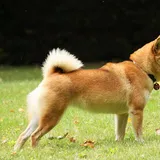
Shiba Inu
Native to Japan, it was originally used for hunting; the Royal Kennel Club places it in the Utility group. The American Kennel Club describes its temperament as “alert / active / attentive”.
- Size
- Small-medium
- Energy
- Moderate
- Shedding
- Moderate
Daily needs
- Exercise
- Up to 1 hour per day
- Grooming
- Once a week
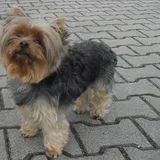
Yorkshire Terrier
Native to Yorkshire in England, it originally caught rats in mines and mills; the Royal Kennel Club places it in the Toy group. The American Kennel Club describes its temperament as “affectionate / sprightly / tomboyish”.
- Size
- Small
- Energy
- High
- Shedding
- Minimal shedding, not zero
Daily needs
- Exercise
- Up to 30 minutes per day
- Grooming
- Every day
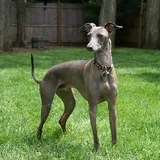
Italian Greyhound
The Royal Kennel Club places it in the Toy group. The American Kennel Club describes its temperament as “alert / playful / sensitive”.
- Size
- Small
- Energy
- Moderate
- Shedding
- Moderate
Daily needs
- Exercise
- Up to 1 hour per day
- Grooming
- Once a week
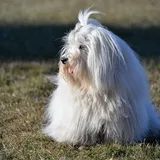
Coton de Tuléar
It comes from Madagascar; the Royal Kennel Club places it in the Toy group. The American Kennel Club describes its temperament as “charming / bright / happy-go-lucky”.
- Size
- Small
- Energy
- Moderate
- Shedding
- Low
Daily needs
- Exercise
- Up to 30 minutes per day
- Grooming
- Every day
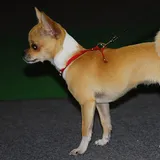
Chihuahua
Its lineage goes back to the Americas before Columbus arrived; the Royal Kennel Club places it in the Toy group. The American Kennel Club describes its temperament as “charming / graceful / sassy”.
- Size
- Small
- Energy
- High
- Shedding
- Low
Daily needs
- Exercise
- Up to 30 minutes per day
- Grooming
- Once a week
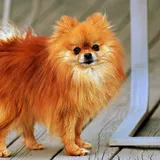
Pomeranian
The Royal Kennel Club places it in the Toy group. The American Kennel Club describes its temperament as “inquisitive / lively / bold”.
- Size
- Small
- Energy
- Moderate
- Shedding
- Low
Daily needs
- Exercise
- Up to 30 minutes per day
- Grooming
- More than once a week
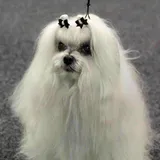
Maltese
It has long been kept as a pampered companion in Mediterranean countries; the Royal Kennel Club places it in the Toy group. The American Kennel Club describes its temperament as “playful / charming / gentle”.
- Size
- Small
- Energy
- Moderate
- Shedding
- Minimal shedding, not zero
Daily needs
- Exercise
- Up to 30 minutes per day
- Grooming
- Every day

Shih Tzu
It comes from China, and its ancestors were Tibetan breeds; the Royal Kennel Club places it in the Utility group. The American Kennel Club describes its temperament as “playful / affectionate / outgoing”.
- Size
- Small
- Energy
- Moderate
- Shedding
- Minimal shedding, not zero
Daily needs
- Exercise
- Up to 1 hour per day
- Grooming
- Every day
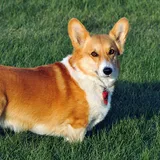
Pembroke Welsh Corgi
Native to Wales, it was originally used to drive livestock; the Royal Kennel Club places it in the Pastoral group. The American Kennel Club describes its temperament as “alert / affectionate / smart”.
- Size
- Small
- Energy
- High
- Shedding
- High
Daily needs
- Exercise
- Up to 1 hour per day
- Grooming
- More than once a week
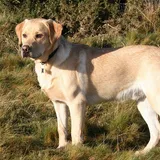
Labrador Retriever
From Newfoundland in Canada, it originally helped fishermen retrieve nets and lines and pulled carts of fish; the Royal Kennel Club places it in the Gundog group. The American Kennel Club describes its temperament as “active / friendly / outgoing”.
- Size
- Large
- Energy
- High
- Shedding
- High
Daily needs
- Exercise
- More than 2 hours per day
- Grooming
- Once a week

Border Collie
From the border country of England, Scotland and Wales, it originally herded sheep and cattle; the Royal Kennel Club places it in the Pastoral group. The American Kennel Club describes its temperament as “energetic / affectionate / smart”.
- Size
- Medium
- Energy
- High
- Shedding
- Moderate
Daily needs
- Exercise
- More than 2 hours per day
- Grooming
- More than once a week
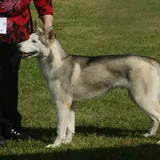
Siberian Husky
Native to northeastern Siberia, it originally worked in teams pulling light loads across frozen ground; the Royal Kennel Club places it in the Working group. The American Kennel Club describes its temperament as “loyal / outgoing / mischievous”.
- Size
- Medium-large
- Energy
- High
- Shedding
- High
Daily needs
- Exercise
- More than 2 hours per day
- Grooming
- More than once a week
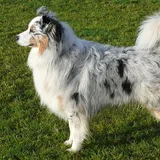
Australian Shepherd
Despite its name, it comes from the United States, where it originally herded sheep on ranches; the Royal Kennel Club places it in the Pastoral group. The American Kennel Club describes its temperament as “smart / work-oriented / exuberant”.
- Size
- Medium
- Energy
- High
- Shedding
- Moderate
Daily needs
- Exercise
- More than 2 hours per day
- Grooming
- More than once a week
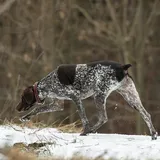
German Shorthaired Pointer
Native to Germany, it is an all-round gundog that finds game, points to it and retrieves it; the Royal Kennel Club places it in the Gundog group. The American Kennel Club describes its temperament as “friendly / smart / willing to please”.
- Size
- Large
- Energy
- High
- Shedding
- Moderate
Daily needs
- Exercise
- More than 2 hours per day
- Grooming
- Once a week

Vizsla
Native to Hungary, it was originally a versatile gundog built for long days in the field; the Royal Kennel Club places it in the Gundog group. The American Kennel Club describes its temperament as “energetic / affectionate / gentle”.
- Size
- Large
- Energy
- High
- Shedding
- Moderate
Daily needs
- Exercise
- More than 2 hours per day
- Grooming
- Once a week
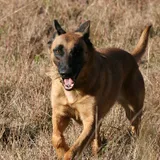
Belgian Malinois
Native to Belgium, it was originally used for herding; the Royal Kennel Club places it in the Pastoral group. The American Kennel Club describes its temperament as “confident / smart / hardworking”.
- Size
- Medium-large
- Energy
- High
- Shedding
- Moderate
Daily needs
- Exercise
- More than 2 hours per day
- Grooming
- More than once a week

Australian Cattle Dog
It originally drove cattle by nipping at their heels; the Royal Kennel Club places it in the Pastoral group. The American Kennel Club describes its temperament as “loyal / intelligent / tenacious”.
- Size
- Medium
- Energy
- High
- Shedding
- Moderate
Daily needs
- Exercise
- More than 2 hours per day
- Grooming
- Once a week
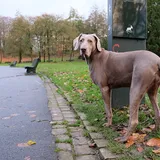
Weimaraner
Native to Germany, it was a pointing dog bred for the nobility in the early 19th century; the Royal Kennel Club places it in the Gundog group. The American Kennel Club describes its temperament as “friendly / fearless / obedient”.
- Size
- Large
- Energy
- High
- Shedding
- Moderate
Daily needs
- Exercise
- More than 2 hours per day
- Grooming
- Once a week
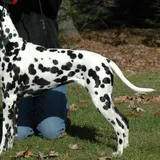
Dalmatian
It originally ran alongside horse-drawn carriages as a coach dog; the Royal Kennel Club places it in the Utility group. The American Kennel Club describes its temperament as “dignified / outgoing / smart”.
- Size
- Large
- Energy
- High
- Shedding
- High
Daily needs
- Exercise
- More than 2 hours per day
- Grooming
- Once a week
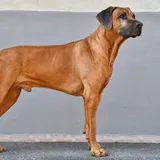
Rhodesian Ridgeback
Native to South Africa, it was originally a scent hound that tracked many kinds of game; the Royal Kennel Club places it in the Hound group. The American Kennel Club describes its temperament as “dignified / affectionate / even-tempered”.
- Size
- Large
- Energy
- Moderate
- Shedding
- Moderate
Daily needs
- Exercise
- More than 2 hours per day
- Grooming
- Once a week
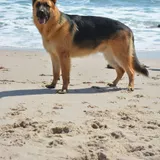
German Shepherd Dog
It was originally a herding dog; the Royal Kennel Club places it in the Pastoral group. The American Kennel Club describes its temperament as “courageous / confident / smart”.
- Size
- Large
- Energy
- High
- Shedding
- High
Daily needs
- Exercise
- More than 2 hours per day
- Grooming
- More than once a week
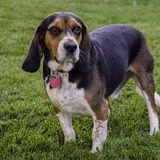
Beagle
Native to England, it originally hunted in packs; the Royal Kennel Club places it in the Hound group. The American Kennel Club describes its temperament as “curious / friendly / merry”.
- Size
- Small
- Energy
- High
- Shedding
- Moderate
Daily needs
- Exercise
- Up to 1 hour per day
- Grooming
- Once a week
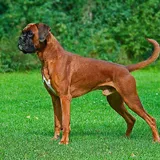
Boxer
Native to Germany, it was developed from a large German hunting dog used on bear and wild boar; the Royal Kennel Club places it in the Working group. The American Kennel Club describes its temperament as “active / bright / fun-loving”.
- Size
- Large
- Energy
- High
- Shedding
- Low
Daily needs
- Exercise
- More than 2 hours per day
- Grooming
- Once a week
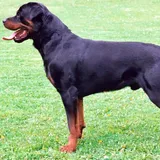
Rottweiler
Native to Rottweil in Germany, it originally drove livestock to market and guarded herds against thieves; the Royal Kennel Club places it in the Working group. The American Kennel Club describes its temperament as “loyal / loving / confident guardian”.
- Size
- Large
- Energy
- Moderate
- Shedding
- Moderate
Daily needs
- Exercise
- More than 2 hours per day
- Grooming
- Once a week
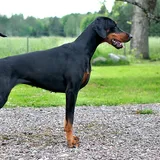
Doberman Pinscher
Native to Germany, it was first bred to protect a tax collector on his rounds; the Royal Kennel Club places it in the Working group. The American Kennel Club describes its temperament as “alert / loyal / fearless”.
- Size
- Large
- Energy
- High
- Shedding
- High
Daily needs
- Exercise
- More than 2 hours per day
- Grooming
- Once a week
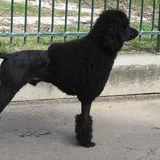
Standard Poodle
From Germany, it originally retrieved ducks from water for hunters; the Royal Kennel Club places it in the Utility group. The American Kennel Club describes its temperament as “active / proud / very smart”.
- Size
- Medium
- Energy
- High
- Shedding
- Minimal shedding, not zero
Daily needs
- Exercise
- Up to 1 hour per day
- Grooming
- Every day
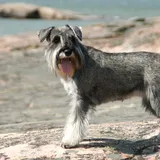
Miniature Schnauzer
Native to Germany, it originally caught rats on farms; the Royal Kennel Club places it in the Utility group. The American Kennel Club describes its temperament as “friendly / smart / obedient”.
- Size
- Small
- Energy
- Moderate
- Shedding
- Low
Daily needs
- Exercise
- Up to 1 hour per day
- Grooming
- More than once a week
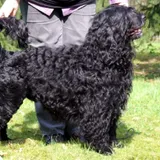
Portuguese Water Dog
Native to Portugal, it originally helped fishermen by herding fish into nets and retrieving tackle; the Royal Kennel Club places it in the Working group. The American Kennel Club describes its temperament as “affectionate / adventurous / athletic”.
- Size
- Medium
- Energy
- High
- Shedding
- Low
Daily needs
- Exercise
- Up to 1 hour per day
- Grooming
- Every day
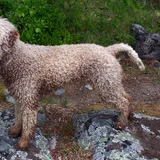
Lagotto Romagnolo
Native to Italy, it originally retrieved waterfowl in marshland and later turned to sniffing out truffles; the Royal Kennel Club places it in the Gundog group. The American Kennel Club describes its temperament as “affectionate / keen / undemanding”.
- Size
- Small-medium
- Energy
- High
- Shedding
- Minimal shedding, not zero
Daily needs
- Exercise
- More than 2 hours per day
- Grooming
- More than once a week
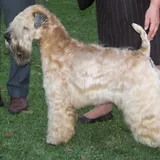
Soft Coated Wheaten Terrier
Native to Ireland, it was originally an all-round farm dog that caught rats, guarded poultry and herded; the Royal Kennel Club places it in the Terrier group. The American Kennel Club describes its temperament as “friendly / happy / deeply devoted”.
- Size
- Medium
- Energy
- High
- Shedding
- Minimal shedding, not zero
Daily needs
- Exercise
- Up to 1 hour per day
- Grooming
- Every day
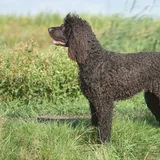
Irish Water Spaniel
Native to Ireland, it was originally used to retrieve waterfowl; the Royal Kennel Club places it in the Gundog group. The American Kennel Club describes its temperament as “playful / hardworking / brave”.
- Size
- Medium
- Energy
- Moderate
- Shedding
- Minimal shedding, not zero
Daily needs
- Exercise
- More than 2 hours per day
- Grooming
- More than once a week

Xoloitzcuintli
Native to Mexico, it was held sacred by the Aztecs and buried with its owners to guide them to the afterlife; the Royal Kennel Club places it in the Utility group. The American Kennel Club describes its temperament as “alert / loyal / calm”.
- Size
- Small / Small-medium / Medium-large
- Energy
- High
- Shedding
- Minimal shedding, not zero
Daily needs
- Exercise
- Up to 1 hour per day
- Grooming
- Once a week
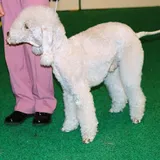
Bedlington Terrier
Native to Bedlington in Northumberland, England, it originally caught rats and other vermin in coal mines for working men; the Royal Kennel Club places it in the Terrier group. The American Kennel Club describes its temperament as “loyal / charming / frollicking”.
- Size
- Small
- Energy
- High
- Shedding
- Minimal shedding, not zero
Daily needs
- Exercise
- Up to 1 hour per day
- Grooming
- Once a week
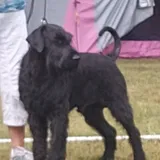
Giant Schnauzer
From Bavaria in Germany, it originally drove cattle to market and guarded farms and inns; the Royal Kennel Club places it in the Working group. The American Kennel Club describes its temperament as “alert / loyal / trainable”.
- Size
- Large
- Energy
- High
- Shedding
- Low
Daily needs
- Exercise
- More than 2 hours per day
- Grooming
- Every day
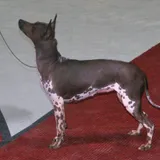
American Hairless Terrier
Native to Louisiana in the United States, it developed from hairless puppies that appeared naturally in rat terriers. The American Kennel Club describes its temperament as “alert / curious / energetic”.
- Size
- Small
- Energy
- Moderate
- Shedding
- Minimal shedding, not zero
Daily needs
- Exercise
- Moderate; no duration given
- Grooming
- Minimal routine grooming; varies by coat
About the dog breed comparison table
Compare everyday living needs
Each breed has sourced references for size, coat, exercise and grooming, plus energy and shedding categories. Separate size or coat varieties remain visible where they affect the reference. Use these categories to identify what to confirm, not to rank household suitability.
Search breeds and daily needs
Search breed names and activity or grooming references. Size, energy and shedding filters use the explained source categories; they do not establish apartment suitability, allergy safety or an individual dog's needs. Source scores, descriptive exceptions and variety differences are shown with the reference.
Reference only, not a placement decision
This guide is not veterinary advice, a training plan, a breeder or adoption endorsement, or a guarantee of behavior, health, hypoallergenic traits, lifespan, legality, or suitability. Confirm current restrictions, individual temperament, health screening, and household needs with qualified professionals before bringing a dog home.
FAQ
Common questions and answers about this topic.
What is Family Dog Breed Guide?
A sourced reference for 52 dog breeds, with size, energy and shedding filters, daily needs, variety differences and source review dates. It does not score family suitability or prescribe exercise for an individual dog.
Is Family Dog Breed Guide free to use?
Yes, Family Dog Breed Guide is completely free to use.
Data Sources
This tool's data is compiled from the authoritative sources below.
- AKC - Dog Breeds(opens in a new tab)
- Royal Kennel Club - Breeds A to Z(opens in a new tab)
- American Miniature Schnauzer Club - FAQs(opens in a new tab)
Data last maintained